Telkom wants B-BBEE rules eased for all telecoms operators
The company supports alternative empowerment mechanisms but wants existing operators and satellite newcomers to face the same licensing terms and social obligations.
Telkom is calling for industry-wide changes to telecoms empowerment rules, rather than special treatment for newcomers such as Starlink.

Produced by the NewsCue newsroom
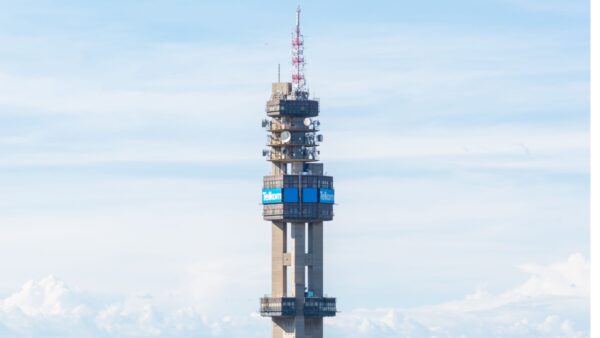 Source: MyBroadband
Telkom has urged the Independent Communications Authority of South Africa (Icasa) to give existing telecoms operators access to the same alternative empowerment options offered to newcomers, including Starlink.
The company wants broader ways to meet empowerment requirements, while insisting that satellite operators selling directly to South African customers face the same licensing and social obligations as established competitors.
Telkom, whose largest shareholder is the government, made its case in a February submission to Icasa’s inquiry into issuing new individual electronic communications network service (I-ECNS) licences. The submission preceded Icasa’s advice to the minister in May that legislative changes were needed to give full effect to his empowerment policy direction.
What Telkom wants changed
Telkom says it supports Icasa’s empowerment mandate but argues that the regulator’s equity requirements go beyond those envisaged by the Broad-Based Black Economic Empowerment (B-BBEE) Act and the information and communications technology (ICT) sector codes.
Icasa’s 2021 equity regulations require individual licensees to maintain at least 30% ownership by historically disadvantaged groups throughout their licence terms, as well as at least level 4 B-BBEE contributor status. That ownership threshold is distinct from a separate 30% black ownership requirement that Icasa has suspended.
Telkom advocates alternatives including skills development, local supply-chain participation, infrastructure investment, and funding for research and innovation. It wants these options available to both existing and new licensees, warning that unequal access could leave operators competing in the same market under different regulatory requirements.
The company also argues that regulatory and policy uncertainty has increased compliance costs, hindered competition and potentially deterred network investment.
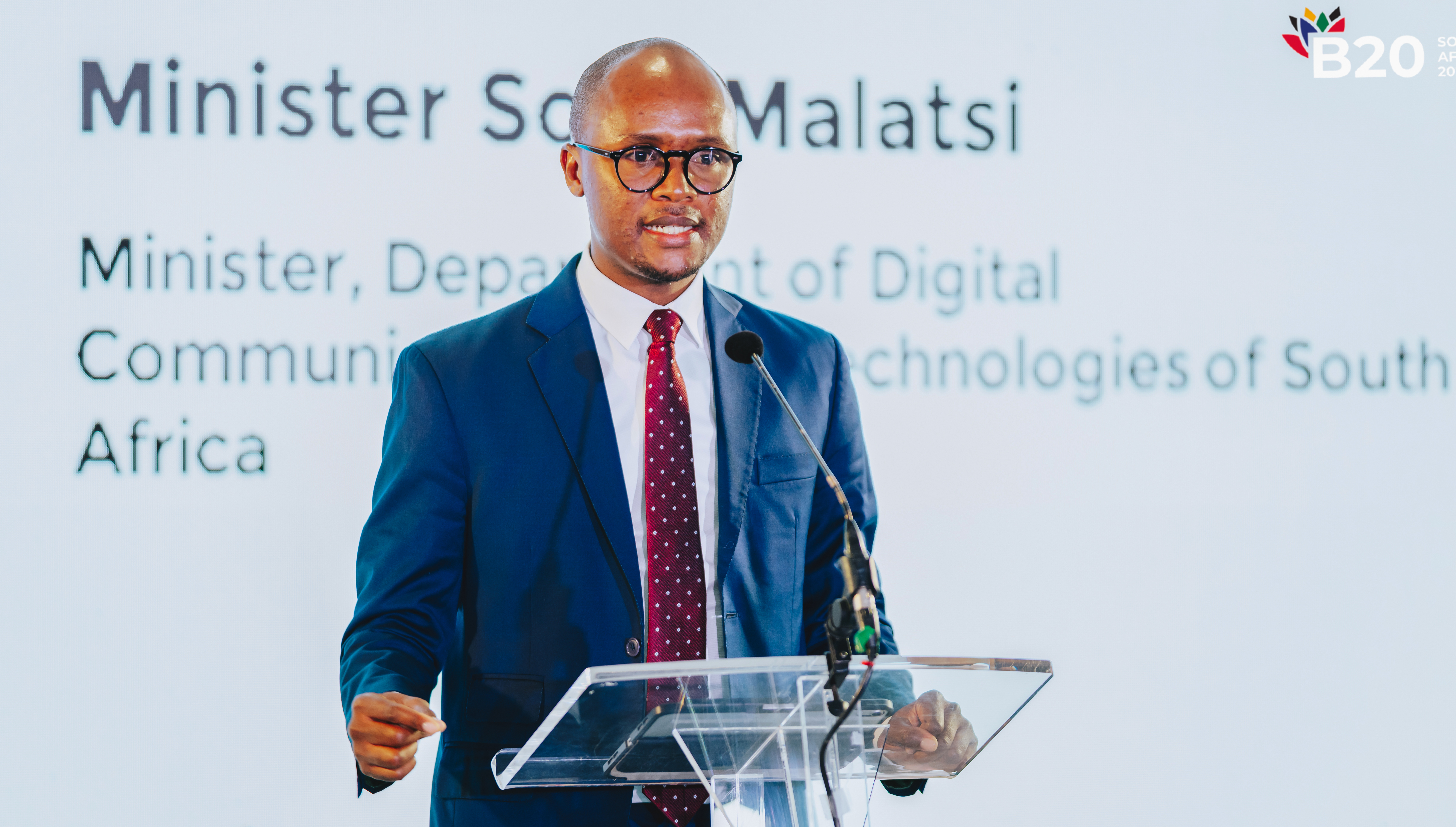 Minister of Digital Communications and Technologies, Solly Malatsi, speaks at a B20 event in Cape Town
At a B20 side event in Cape Town in September 2025, Communications Minister Solly Malatsi urged Icasa to consider aligning its ownership rules with the B-BBEE Act and ICT sector code. His call followed the Digital Transformation Task Force’s recommendations to the G20.
The same obligations for satellite operators
Telkom wants satellite operators selling directly to South African customers to hold individual network, electronic communications service and spectrum licences.
In its submission, it said “the same licence terms and conditions, including social obligations, applicable to current licensees should apply equally”.
Its support for alternative empowerment mechanisms does not, however, amount to support for additional individual network licences. Telkom argues that issuing more of those licences would likely have a negligible marginal effect on competition.
How we report: Editorial standards · AI & Editorial Policy · Corrections
More from this section

Microsoft outage disrupts Outlook and Teams for organisations worldwide
Businesses and government agencies, including organisations in South Africa, faced disruption lasting more than 12 hours. Microsoft said services without an Exchange Online dependency remained functional.
6 days ago · 2 min read
Vodacom reports prepaid revenue growth as MTN records declines
Vodacom’s prepaid recovery came alongside a steady customer base of 39.2 million. MTN reported declines over a different reporting period.
10 November 2026 · 1 min read

Shoprite plans debit card with Investec as banking sponsor
Shoprite and Investec say their proposed partnership would pair the retailer’s stores and digital channels with the bank’s infrastructure, without Shoprite establishing a separate bank.
9 November 2026 · 1 min read

250 South African companies hit with liquidations in September
Reported liquidations reached 250 in September 2026, up from 228 in August. The nine-month total declined, but compulsory cases moved higher.
29 October 2026 · 1 min read